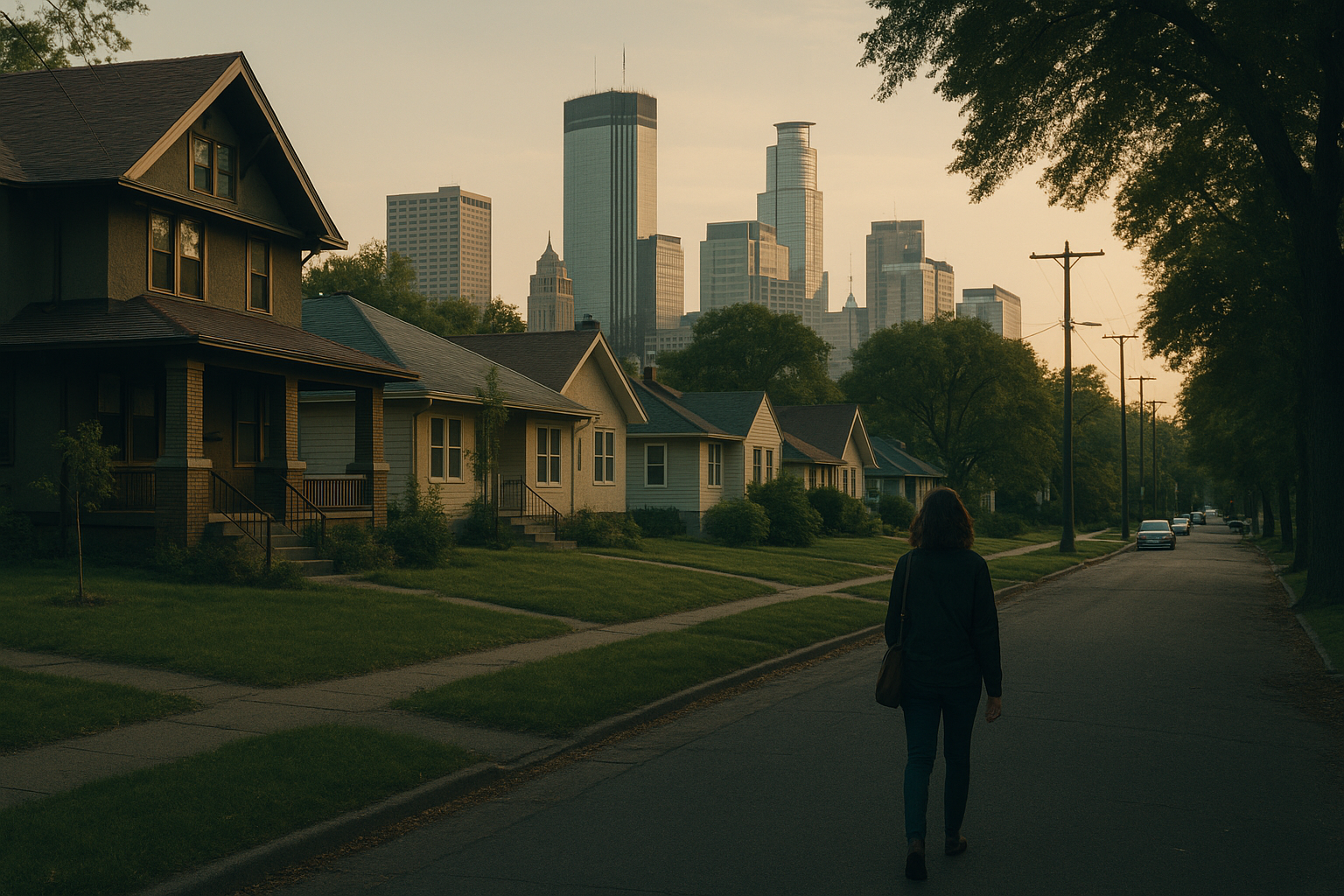
Minneapolis Real Estate 2026: Midwest Stability Play Worth Watching
Affordable metros with real jobs are back in play, and the Twin Cities fit that brief perfectly.
Minneapolis isn't flashy, but that's the point. While Sun Belt darlings like Austin and Nashville saw home prices spike 40-50% between 2020 and 2023, then stall hard, the Twin Cities chugged along with steadier 20-25% appreciation and far less volatility. Now heading into 2026, Minneapolis looks like one of the more defensible bets in U.S. housing: real economic diversity, reasonable price-to-income ratios, strong schools, and enough inventory to keep the market from going totally sideways. If you're tired of chasing hype and want a market where fundamentals still matter, Minneapolis deserves a close look. This article breaks down what's actually happening in Twin Cities real estate, who's moving here, where the value pockets are, and whether now is the right time to buy or sell.
Why Minneapolis Is Holding Steady While Other Markets Crack
The Twin Cities never got as overheated as Phoenix or Tampa, so there's less air to let out. Median home prices in Minneapolis proper sit around $350,000 as of late 2025, with inner-ring suburbs like St. Louis Park and Richfield in the $400,000-$450,000 range. Compare that to similar-sized metros: Nashville is pushing $500,000, Austin well past $550,000. The price-to-income ratio here is still reasonable, around 4.2x, versus 5.5x or higher in the Sun Belt boom towns.
The job market helps. Minneapolis has Target, UnitedHealth Group, 3M, General Mills, and a deep bench of mid-cap companies that aren't going anywhere. Unemployment has hovered near 3% for years. You also get real four-season weather, which filters out the purely speculative buyers. People who move to Minneapolis tend to stay, whether for work, family, or the genuine quality of life around the lakes and bike trails. That stability shows up in the housing data: inventory is up slightly year-over-year, but homes that are priced right still move in 30-45 days. No feeding frenzy, no ghost town either.
The Neighborhoods That Still Pencil for First-Time Buyers
If you're trying to get into the market under $350,000, focus on neighborhoods like Powderhorn, Phillips, and parts of Northeast Minneapolis near the northern edge of the Arts District. These areas skew older housing stock, mostly 1920s-1950s bungalows and duplexes, but they're walkable, transit-accessible via light rail or bus, and still close to downtown job centers. You'll compete with other buyers, but you won't get priced out by all-cash offers from California the way you might have in 2021.
Inner-ring suburbs offer another play: Columbia Heights, Crystal, and Brooklyn Center all have solid single-family inventory in the $300,000-$375,000 range. These aren't trendy, but the bones are good: post-war houses on decent lots, good schools in many pockets, and easy highway access to both downtown Minneapolis and the western suburbs where a lot of corporate jobs sit. If you don't need the walkability premium of Uptown or Linden Hills, these towns let you get more square footage and yard for the dollar.
Premium Zones: Where Minneapolis Money Goes
If budget isn't the constraint, the classic Minneapolis premium neighborhoods remain Linden Hills, Kenwood, Lowry Hill, and the southwest lake districts around Lake Harriet and Lake Calhoun. Expect $700,000 to well over $1 million for renovated Craftsmans, Tudors, or new construction. These areas deliver top-rated public schools, walkability to commercial strips, and proximity to the Chain of Lakes trail system that defines Minneapolis lifestyle for a lot of people.
Edina, technically a suburb but functionally part of the urban core, commands even higher prices. The 50th and France area and anything near Southdale pulls $800,000+ easily. You're paying for Edina schools, which consistently rank among the best in the state, and for a polished, low-crime suburban feel that still puts you 15 minutes from downtown. St. Louis Park's west side, near Wolfe Park, threads a similar needle at slightly lower price points.
Rental Market and Investor Angles for 2026
Minneapolis has strong rental fundamentals. The University of Minnesota brings 50,000+ students, and the Twin Cities economy pulls in steady numbers of young professionals who rent for a few years before buying. Average rents for a two-bedroom apartment sit around $1,600-$1,800 near downtown and Uptown, lower in the suburbs. Duplexes and small multifamily properties are common here, a legacy of the city's working-class roots, and they can pencil well if you're buying to house-hack or hold long-term.
Cap rates aren't spectacular, maybe 5-6% on stabilized small multifamily, but the trade-off is low volatility and steady tenant demand. The city has rent control discussions percolating politically, something to watch if you're a larger investor, but so far it hasn't passed in a form that would crater the economics. Single-family rentals in the inner-ring suburbs can work too, especially if you're targeting mid-level corporate transferees who want good schools without buying immediately.
The Risks: Weather, Taxes, and Political Headwinds
Let's be honest about the downsides. Minnesota has cold winters, genuinely cold, and if you've never lived through a January here, it's a real adjustment. That weather ceiling caps how hot the market can ever get, but it also means you're not competing with as many speculative buyers. Property taxes in Minneapolis proper run around 1.0-1.1% of assessed value, reasonable by Midwest standards but higher than some Sun Belt states. Hennepin County reassesses regularly, so if your home appreciates, expect your tax bill to creep up.
Politically, Minneapolis has seen tension around policing, zoning reform, and how aggressively the city pursues density. The 2040 comprehensive plan aimed to allow triplexes citywide, which in theory increases housing supply but also worries some single-family neighborhoods about character change. If you're buying in a neighborhood where upzoning is likely, understand that your quiet block could see more construction and different housing types in five to ten years. That's not necessarily bad for values, density often supports them, but it's a shift worth acknowledging.
Should You Buy, Sell, or Wait in 2026?
If you're a buyer with stable income and plan to stay five-plus years, Minneapolis in 2026 is a reasonable entry point. Rates are still elevated nationally, but prices here haven't run away from fundamentals the way they did in some other metros. You're buying into a real economy, not a speculative wave. If you're selling, the market isn't frothy enough to let you get cute with pricing. Homes that sit more than 60 days start looking stale. Price it right from day one based on true comps, not what Zillow says or what your neighbor's cousin thinks.
For people on the fence, waiting another six months won't hurt much. Inventory should stay relatively balanced through 2026, meaning neither buyers nor sellers have a massive structural advantage. The big variable is rates: if the Fed cuts more aggressively and mortgage rates drop below 6%, you'll see more competition. If rates stay high, the market keeps plodding along at this steady pace. Either way, Minneapolis isn't a market where timing the peak or trough is make-or-break. It's a market where the fundamentals reward people who do their homework and act when the fit is right.
Frequently asked
Is Minneapolis a good place to buy a house in 2026?
Yes, if you value stability and real economic fundamentals over hype. Minneapolis offers reasonable home prices relative to incomes, strong job diversity, and less volatility than Sun Belt boom markets. The weather filters out speculative buyers, which keeps the market more grounded. If you're planning to stay at least five years and can handle the winters, it's a defensible buy.
What neighborhoods in Minneapolis are affordable for first-time buyers?
Powderhorn, Phillips, and the northern edge of Northeast Minneapolis offer entry points under $350,000 for older single-family homes and duplexes. Inner-ring suburbs like Columbia Heights, Crystal, and Brooklyn Center also have solid inventory in the $300,000-$375,000 range with good access to jobs and decent schools.
How much does the average home cost in Minneapolis right now?
Around $350,000 for the city proper as of late 2025, with inner-ring suburbs ranging from $400,000 to $450,000 depending on location and condition. Premium neighborhoods like Linden Hills and Edina run $700,000 to over $1 million. These figures are approximate based on regional MLS trends.
Are property taxes high in Minneapolis?
Property taxes in Minneapolis run around 1.0-1.1% of assessed value annually, which is moderate by Midwest standards. Hennepin County reassesses regularly, so if your home appreciates, your tax bill will increase accordingly. Budget for this when calculating total ownership costs.
What are the biggest risks of buying in Minneapolis in 2026?
Winter weather is a real factor, both for lifestyle and utility costs. Budget $200-$350/month for heating during cold months. Property taxes can creep up with appreciation. Politically, zoning changes could increase density in some single-family neighborhoods, which may or may not align with your long-term vision. The market is stable, but it's not going to double in three years.